Perfect Pairs
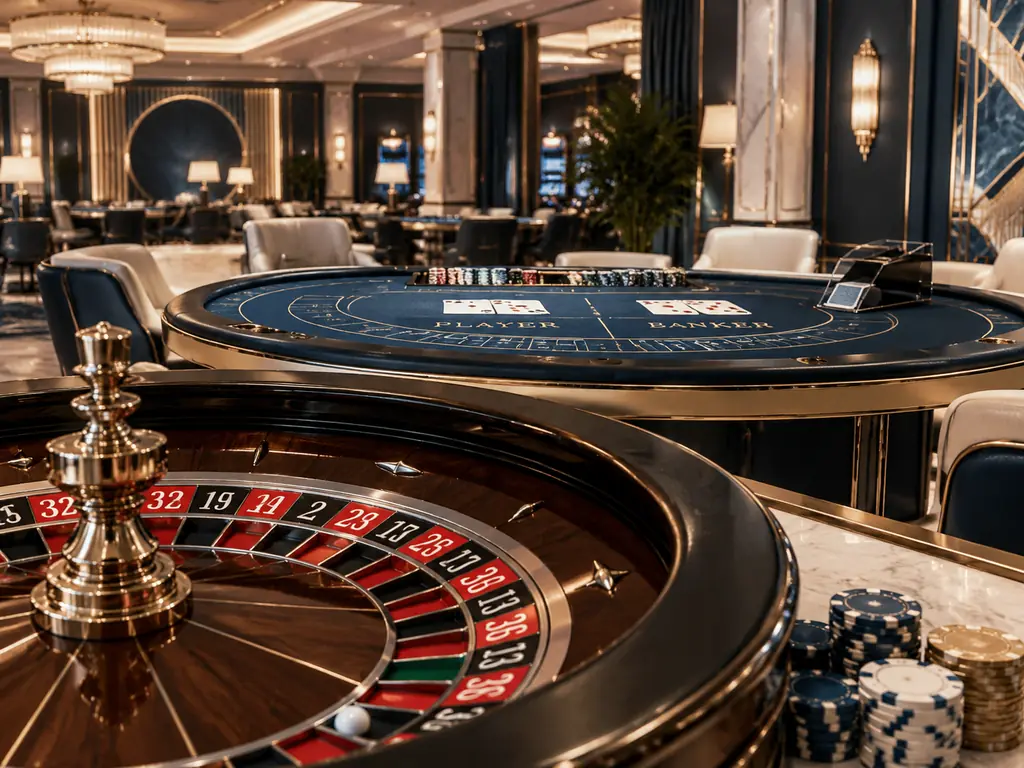
This concerns a qualifying pair in the first two cards, rather than winning the main hand.
 13377x
Blackjack aims to beat the dealer without exceeding 21. Number cards carry their face value, picture cards count as ten and an Ace can count as one or eleven. A hand exceeding 21 busts.
Hit takes another card and Stand keeps the current hand. Double and Split are available under specific conditions. No decision guarantees the same result in every situation; your hand and the dealer's visible card both matter.
Evolution's classic format includes seven-seat tables and optional side bets. Infinite Blackjack uses a different participation format. Do not assume that one version's seating or additional rules apply to another.
Read the cost and conditions of every optional choice separately.
This concerns a qualifying pair in the first two cards, rather than winning the main hand.
This considers combinations involving your two cards and the dealer's upcard.
Some classic tables permit participation behind another seat; this is different from controlling that seat.
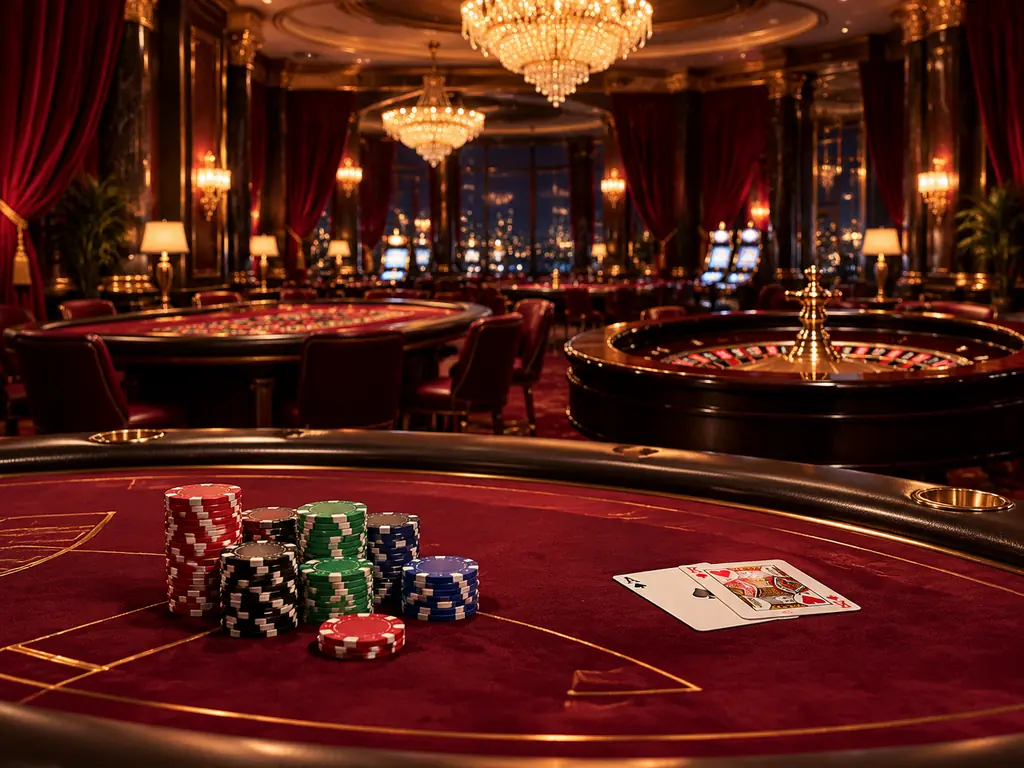
An Ace and a six can be counted as seven or seventeen. That flexibility matters when another card arrives. This differs from a hard seventeen; the word soft identifies the flexible Ace value.
A pair does not automatically mean Split is available. The table and version conditions apply. Read the decision window, dealer behaviour and Blackjack payout together.
Include the Ace's alternative values.
Read the applicable Hit, Stand, Double and Split conditions.
Evaluate the main hand and each side bet independently.
A hand total exceeding 21.
No. It can count as one or eleven according to the hand.
No. They settle according to separate events.
They share a core concept but differ in participation and additional conditions.